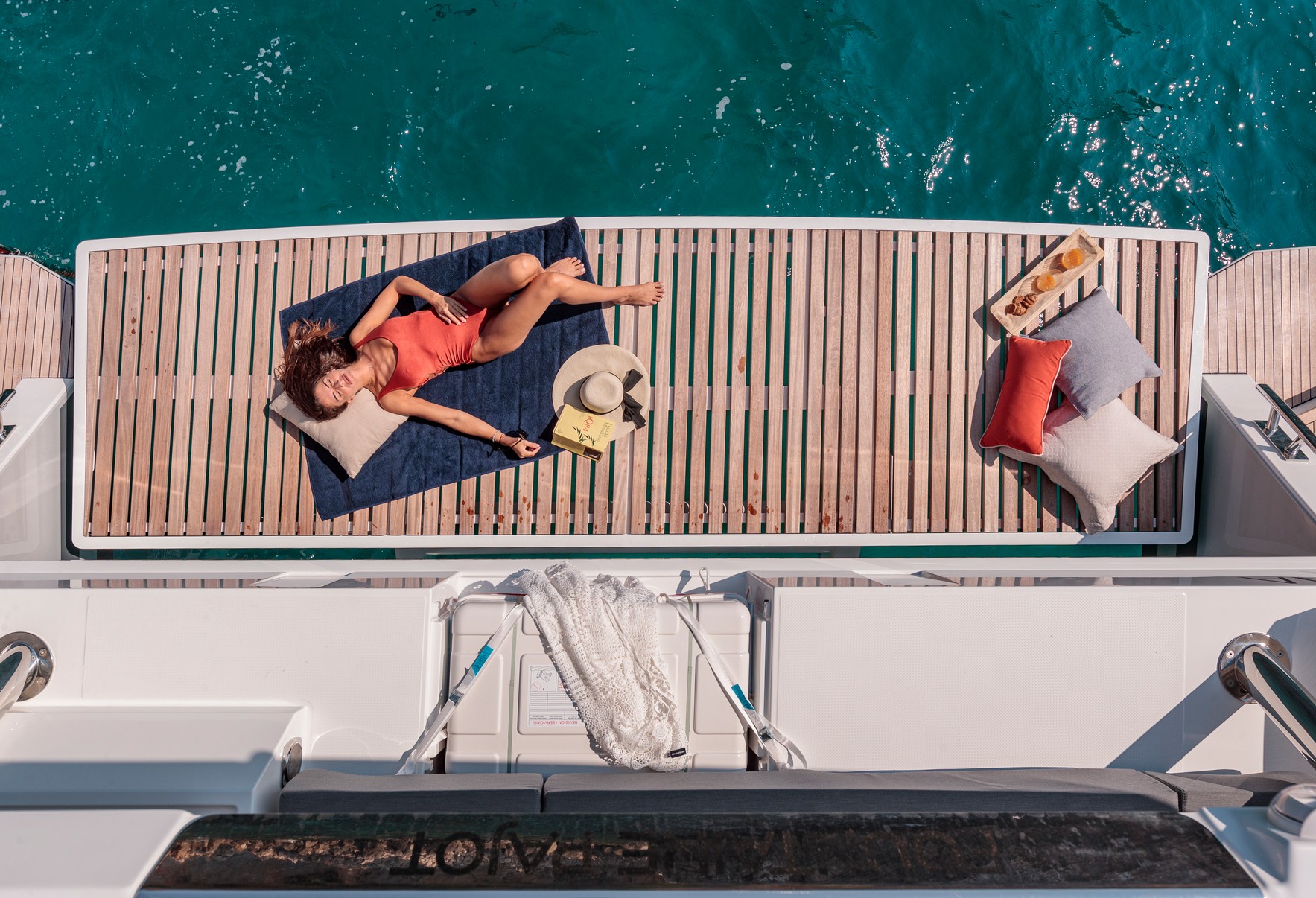
Kefalonia is the largest of the Ionian islands, big enough to be several destinations in one: a dramatic limestone west coast, a sheltered east coast facing Ithaca, sandy southern bays and the fir-covered massif of Mount Ainos in between.
For yacht crews it rewards planning. The east coast is the natural cruising ground, the west coast belongs to day trips in settled weather, and the distances between good stops are real.
This guide covers the harbours worth aiming for, the anchorages by coast, and the beaches, sights and tavernas that make the island worth several nights rather than one.
Why visit Kefalonia?
Kefalonia covers around 780 square kilometres and holds the highest peak in the Ionians, Mount Ainos at 1,628 metres, covered in a fir forest found nowhere else in Greece. The island is green, mountainous and remarkably varied for its size.
Its history explains its look. The 1953 earthquake flattened most of the island, and the villages that rebuilt kept their character in different ways: Fiskardo survived almost intact and is now the prettiest harbour town in the Ionians, while Argostoli and the larger towns were rebuilt in grander post-earthquake style.
The beaches are the headline: Myrtos and Antisamos rank among the finest in Greece, and the cave lake of Melissani is one of the most memorable sights in the country. Captain Corelli’s Mandolin was filmed here, and the film’s popularity still shapes the summer crowds — one more reason to move early in the day.

Exploring Kefalonia by private catamaran
The island splits into four very different coasts. The east coast, sheltered from the prevailing north-westerlies and facing Ithaca, is where most overnight stops happen. Expect about five knots more wind in the strait between the two islands than the forecast suggests.
Fiskardo, at the northern tip, is the most popular stop: a preserved Venetian-era village where yachts moor stern-to along the quay or to the eastern mole. Space is tight in July and August, so arrive by early afternoon or call ahead.
Agia Efimia is the friendliest east-coast base, with a small harbour, easy provisioning and tavernas on the waterfront. Sami and Poros are working ferry ports with space and facilities. Argostoli, the capital, is the main service hub, with the new marina at nearby Agia Pelagia offering the island’s best berthing infrastructure.
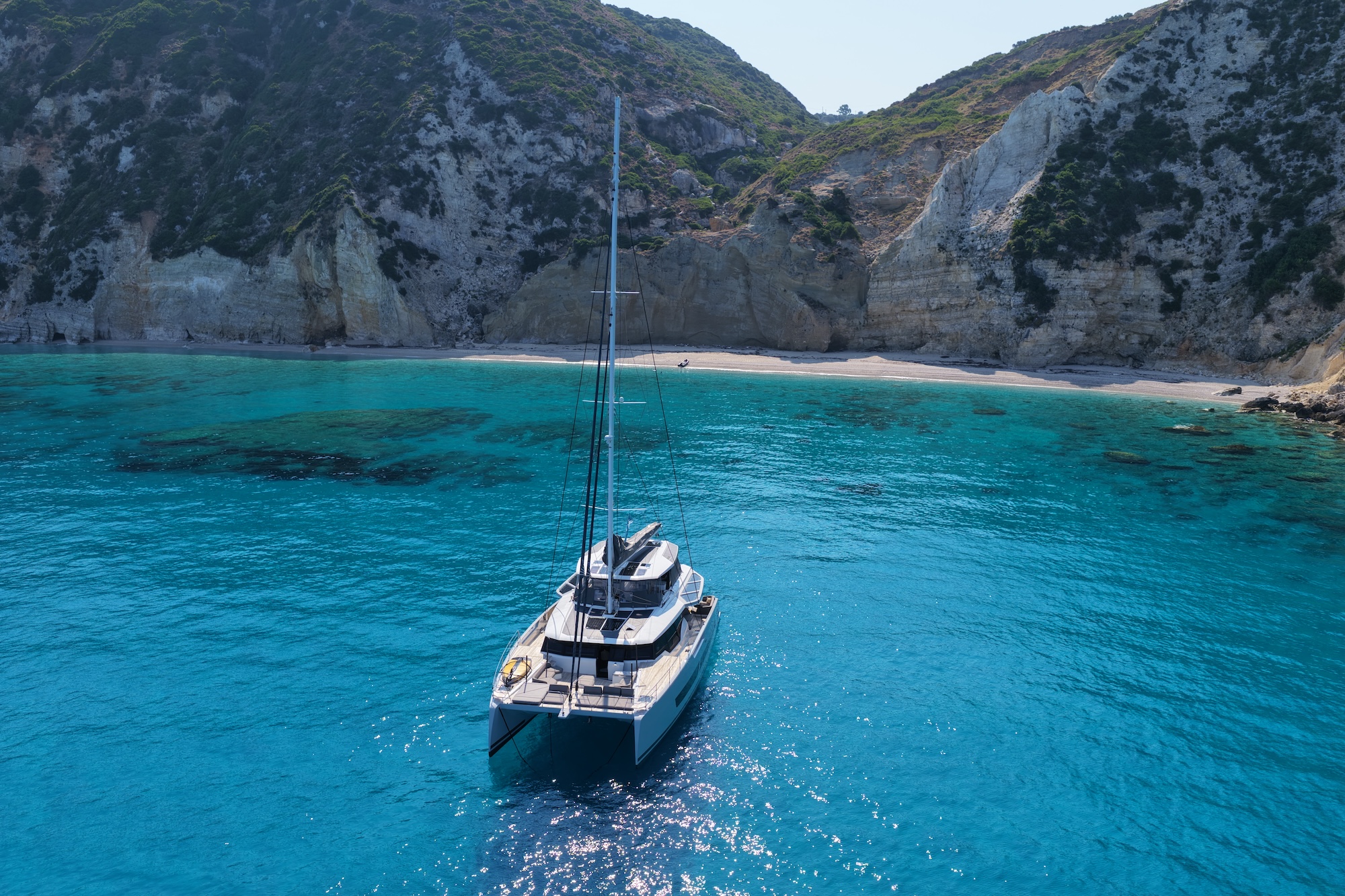
The west coast is exposed to the afternoon north-westerly and builds real swell: Myrtos and Petani are spectacular day stops in calm weather, while Fteri and Atheras offer more shelter on the north-west. The south coast sits outside the main routes, with large sandy anchorages at Kaminia, Trapezaki and Xi — comfortable in north-westerlies but open to swell from the south.
Beaches and swimming stops
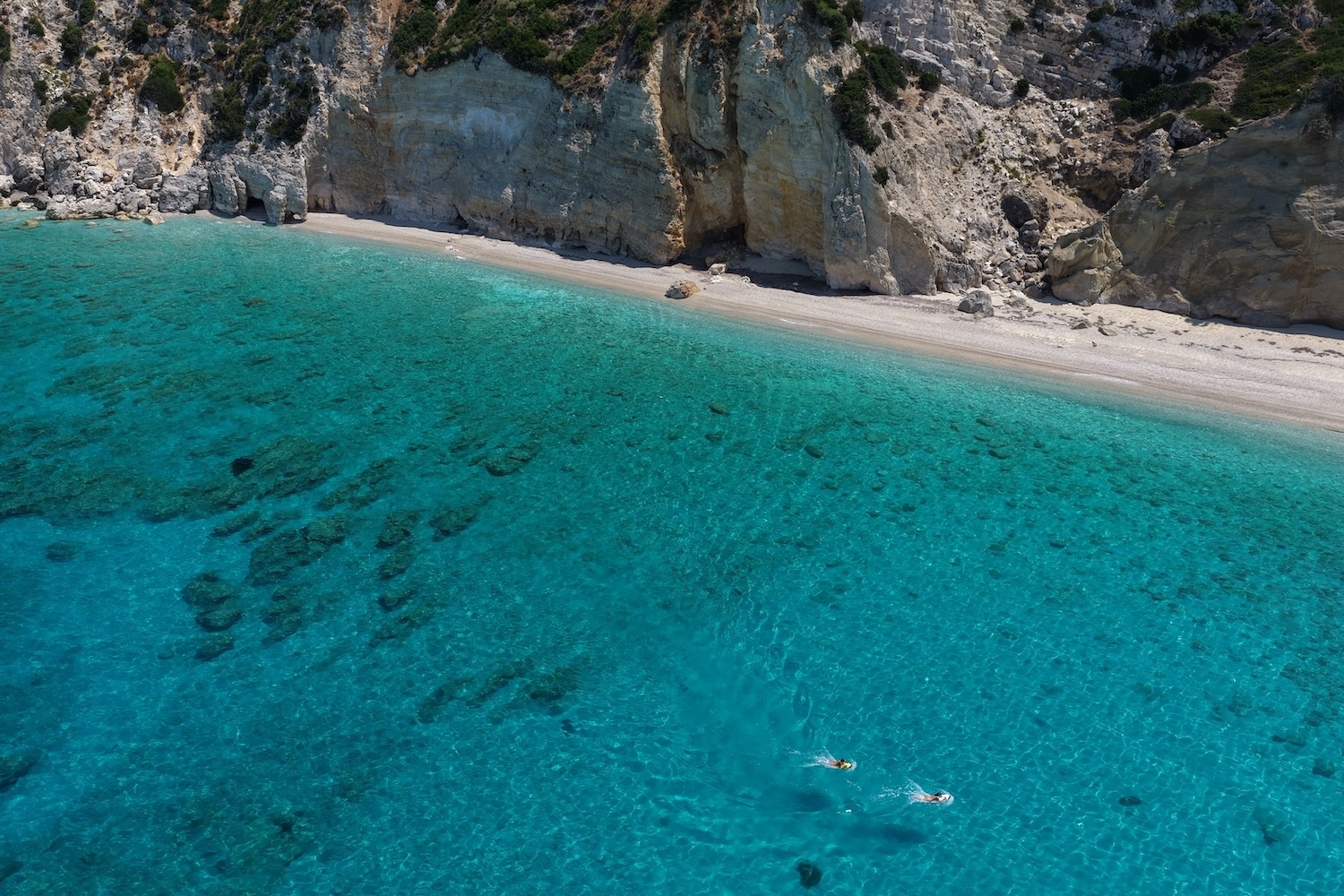
Myrtos, on the north-west coast, is the icon: a mile of blinding white pebbles shelving into electric blue water. Reach it by tender in calm conditions or drive over from Assos — either way, go in the morning before the light flattens and the crowds arrive.
Antisamos, in the bay below Sami, sits in a green amphitheatre and has calm, clear water most mornings. It is an easy swim stop off the anchorage.
Fteri, west of Myrtos, is the connoisseur’s choice: white pebbles, pines and no road access, so it is quiet even in August. Petani, on the Paliki peninsula, is Myrtos’s wilder sister. Both need settled weather.
Near Fiskardo, Emblisi and Foki bay offer easy swimming under cypress trees, and on the south coast the red sand of Xi is unusual and family-friendly. East-coast coves around Agia Efimia have clear water over smooth pebbles, best accessed by tender.
What to see
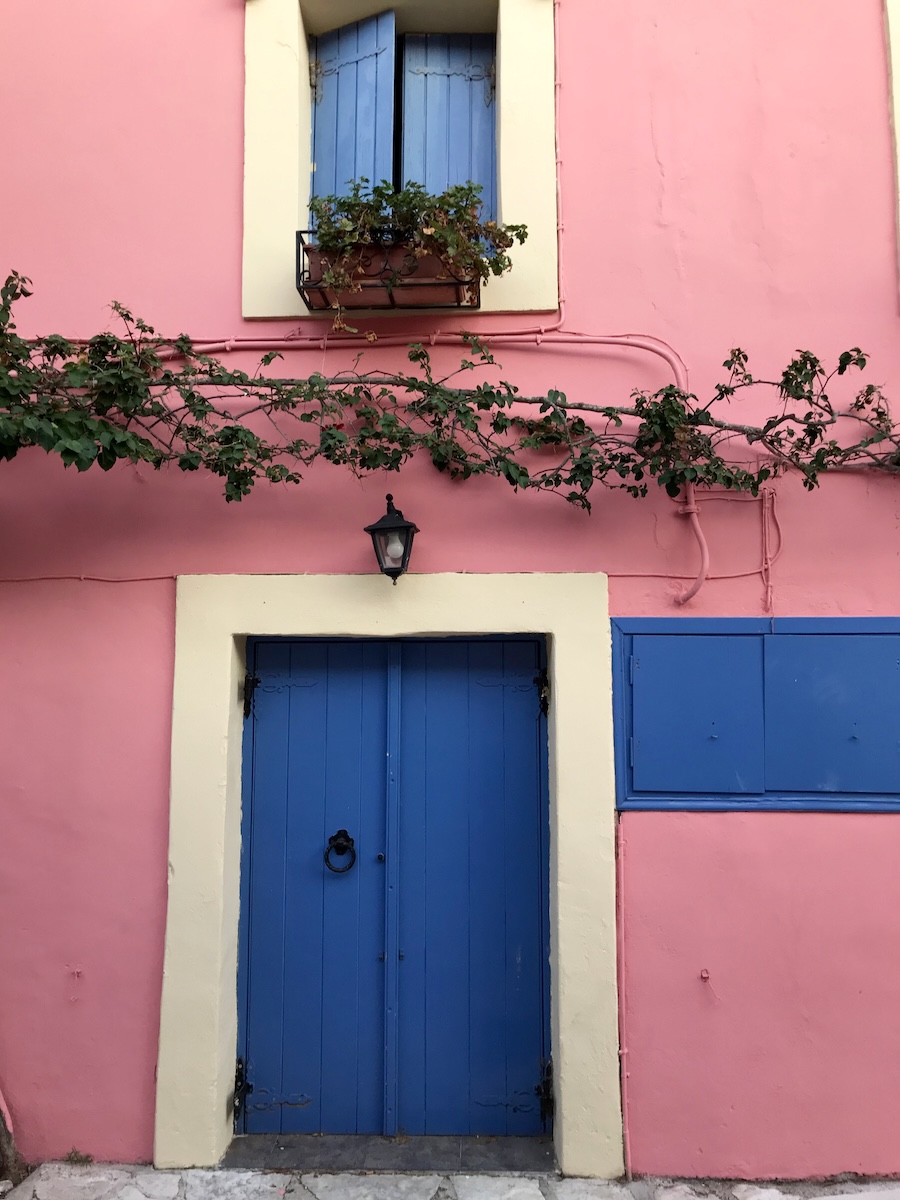
Assos is the island’s prettiest village: pastel houses around a tiny harbour on a narrow isthmus, with the ruins of a sixteenth-century Venetian castle on the peninsula above. The walk up takes half an hour and the view over the village and sea is superb.
Melissani, near Sami, is a cave lake under a collapsed roof. Rowing boats cross water so clear the hulls seem to float in air; the famous blue light is best around midday when the sun is overhead. Drogarati, a few minutes away, is a vast stalactite cave and a good pairing.
Fiskardo itself deserves an unhurried hour: restored captains’ houses, cypress-covered hillsides and the busiest yacht quay in the Ionians. North of it, the lighthouse and the Myrtos viewpoint are short drives.
In Argostoli, walk the De Bosset stone bridge — the longest of its kind over the sea — and watch the loggerhead turtles that gather in the harbour each morning, drawn by the fishermen’s catch. The castle of Agios Georgios near Peratata and the Mycenaean tomb at Tzanata fill out a history-focused day.

What to do
Row across Melissani by boat, then continue to Drogarati the same morning. Both sit within a short drive of the Sami anchorage.
Hike or drive into Mount Ainos National Park. The road climbs through black fir forest to radio masts near the summit, with views that stretch across the whole island and out to Ithaca and Zakynthos.
Taste Robola, the island’s crisp white wine, grown on the slopes of the Omala valley. Several wineries around the valley welcome tastings — arrange a car or taxi rather than sailing after.
Take the tender to Fteri for a beach day the crowds cannot reach, or sail the short hop across to Ithaca and back — the two islands make a natural pair, and seeing both is the classic central-Ionian week.

Food & where to eat
Kefalonia eats well. Look for kreatopita, the island’s famous meat pie; fresh fish from the east-coast villages; Robola wine; thyme honey; and mandoles, sugared almonds that are the local sweet.
In Fiskardo, the tavernas along the harbour front serve excellent fish and meze steps from your berth — the long-running Tassia is the best-known, with a terrace above the water. Book ahead in August.
In Agia Efimia, the small fish tavernas on the quay are relaxed and honest, and the place to ask what came in that morning. In Argostoli, the streets behind the main square hold the island’s best traditional cooking, away from the tourist waterfront.
Inland, village grill houses and kafeneia serve slow food at local prices — the kind of lunch worth the drive from the coast. Stock the boat with Robola, honey and olive oil before the next leg.
Research sources
These sources were used to check the guide. Port operations, opening hours and restaurant schedules can change, so confirm details close to your visit.
This guide supports itinerary planning; it is not a navigational source. The captain remains responsible for current charts, weather, safe depths, berth instructions and local restrictions.