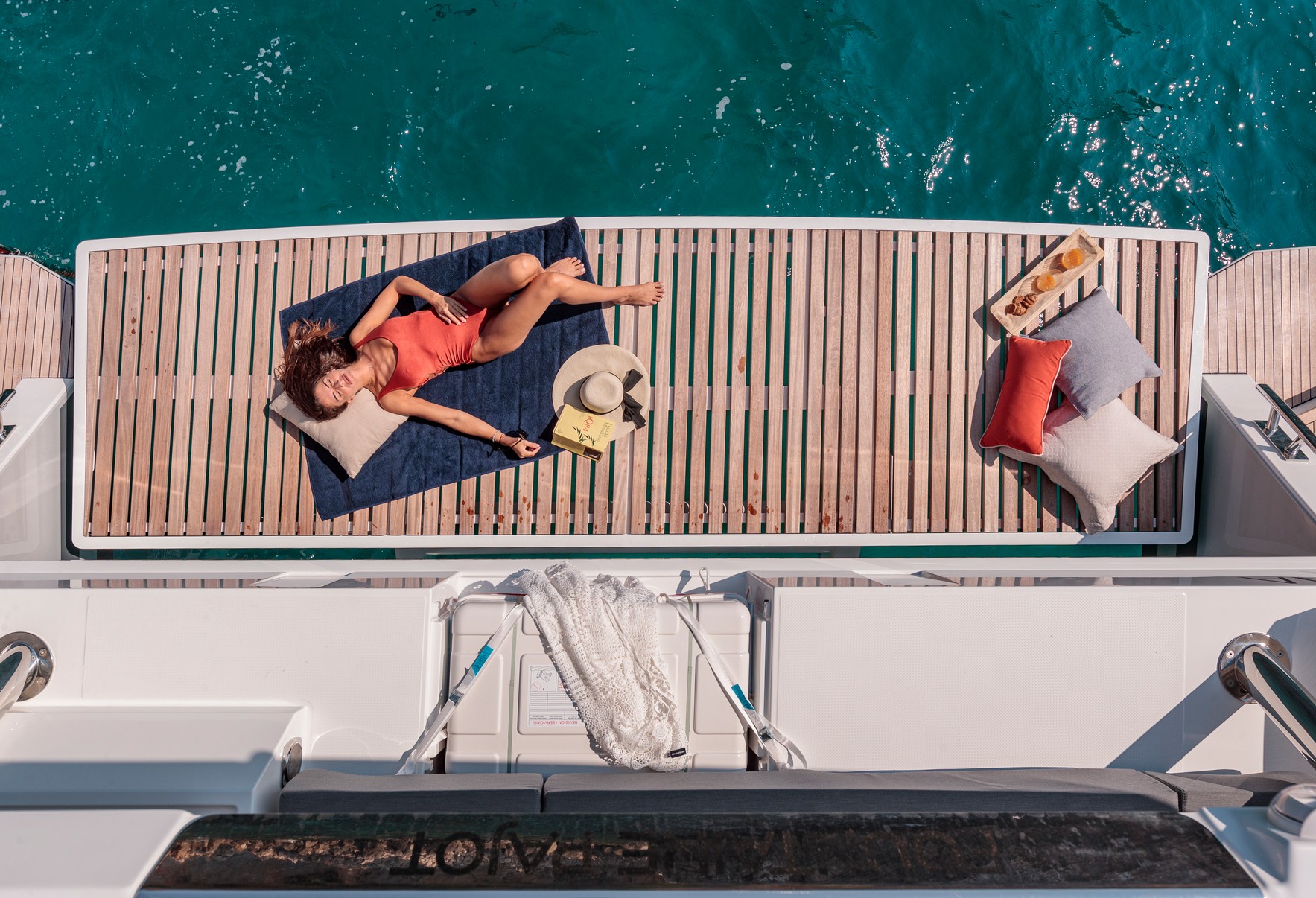
Antipaxos is barely five square kilometres, yet it holds some of the clearest water in the Ionian. The island sits just two nautical miles south of Paxos, with no port, no shops and no marina — only beaches, vineyards and a handful of seasonal tavernas.
That simplicity is the point. A day here works best as an early arrival, a long swim, a walk through the vineyards and dinner at one of the small tavernas above the sand.
The bays are exposed to the prevailing north-westerly afternoon wind, and excursion boats arrive in numbers by mid-morning. Treat every anchorage as a fair-weather decision and keep Gaios on Paxos as your overnight fallback.
Why visit Antipaxos?
Antipaxos sits just south of Paxos and north of the Paxos–Corfu channel. It is tiny — around five square kilometres — with a few dozen permanent residents, no real roads and no shops.
For centuries the island was the vineyard of Paxos: low stone walls, small family plots and fruit trees still cover the interior, and a little strong local wine is still made here in small quantities.
For a charter crew, Antipaxos is the perfect plus-one to Paxos. It is close enough to reach in minutes, different enough to feel like a separate stop, and its beaches are among the finest swimming in the Ionian.

Exploring Antipaxos by private catamaran
There is no marina, fuel station or provisioning on Antipaxos. Stock up at Gaios on Paxos, roughly two nautical miles north, and treat the island as a day-anchoring destination unless the forecast is genuinely settled.
Voutoumi, on the east coast, is the best-known anchorage: anchor on sand in about four to six metres with excellent holding, then tender ashore. Expect company — both main bays are usually full by mid-morning in July and August, so arrive early.
Vrika, the next bay north, has good sandy holding too, but a submerged cable crosses the cove. Confirm its position on a current chart and anchor well clear of it.
Mesovrika, the rocky bay between the two beaches, is the evening option: after the working barges leave around mid-afternoon, crews take stern lines to the north-western rocks for the only real shelter from the afternoon wind. Agrapidia, the small fishing harbour, and remote Chrille Bay are quieter alternatives with limited protection.
The east coast is open to swell from the south-east, and none of the bays shelter well from the prevailing north-westerly. If the wind builds, return to Gaios or Lakka rather than staying on a lee shore.

Beaches and swimming stops
Voutoumi is the famous one: a crescent of fine white sand under green hills, with water that shifts from pale turquoise to deep blue. A taverna sits on the hillside above the beach with the island’s best-known view.
Vrika, at the northern end, has softer sand, slightly warmer water and two seasonal tavernas. It is usually the first stop for taxi boats from Paxos, so swim early or late.
Mesovrika between them is rockier and quieter, with underwater arches that make it the best snorkelling on the island. Bring a mask and fins rather than expecting facilities.
The coves near Agrapidia and along the southern coast are rewarding in settled weather, with rock formations, small caves and very clear water. The west coast is cliff-bound and should be treated as scenery rather than a landing option.

What to see
The island’s main sight is its landscape. Walk the path between Vrika and Voutoumi — about twenty minutes — past stone cottages, lemon and orange trees and the small vineyards that still give the island its character.
The sea caves and underwater arches around Mesovrika and the southern coast are worth a tender trip in calm water. Enter only where the captain can see both the entrance and the exit, and never swim into a cave without a guide who knows it.
At Agrapidia, the tiny harbour where local fishermen keep their boats, you get a sense of how the island actually works: a few families, a few boats and a lot of vines.
There are no monuments, museums or villages to tick off. Antipaxos rewards walking, swimming and looking rather than sightseeing.

What to do
Swim early. The water is at its calmest and clearest before the excursion boats from Paxos, Corfu and the mainland arrive, and the beaches empty again after they leave around late afternoon.
Snorkel at Mesovrika or along the rocky edges of the east coast. The clarity makes even a casual surface swim rewarding, and moray eels, small lobsters and schools of fish shelter among the rocks.
Walk inland through the vineyards on the narrow paths between the stone walls. It takes twenty minutes to cross much of the island, and the interior is a completely different experience from the busy shoreline.
Taste the local wine if a taverna has it. The island’s dark, strong wine is made in tiny quantities from family vineyards, and it rarely travels beyond Paxos.
Food & where to eat
Antipaxos has no shops, so eating here means the seasonal tavernas beside the beaches — and planning around them.
At Voutoumi, the taverna on the hillside above the beach serves simple grilled dishes with the island’s most photographed view. At Vrika, two small tavernas sit just behind the sand and are the practical lunch stop for crews anchored in the bay.
Expect straightforward Ionian cooking: grilled fish and octopus, salads, cold drinks and little else. Menus are short by design, and everything depends on the day’s deliveries from Paxos.
For a proper meal, eat on Paxos. Gaios, Lakka and Loggos are all within a short hop, and the tavernas there have the depth, choice and reliability that a tiny island cannot support.
Research sources
These sources were used to check the guide. Port operations, opening hours and restaurant schedules can change, so confirm details close to your visit.
This guide supports itinerary planning; it is not a navigational source. The captain remains responsible for current charts, weather, safe depths, berth instructions and local restrictions.