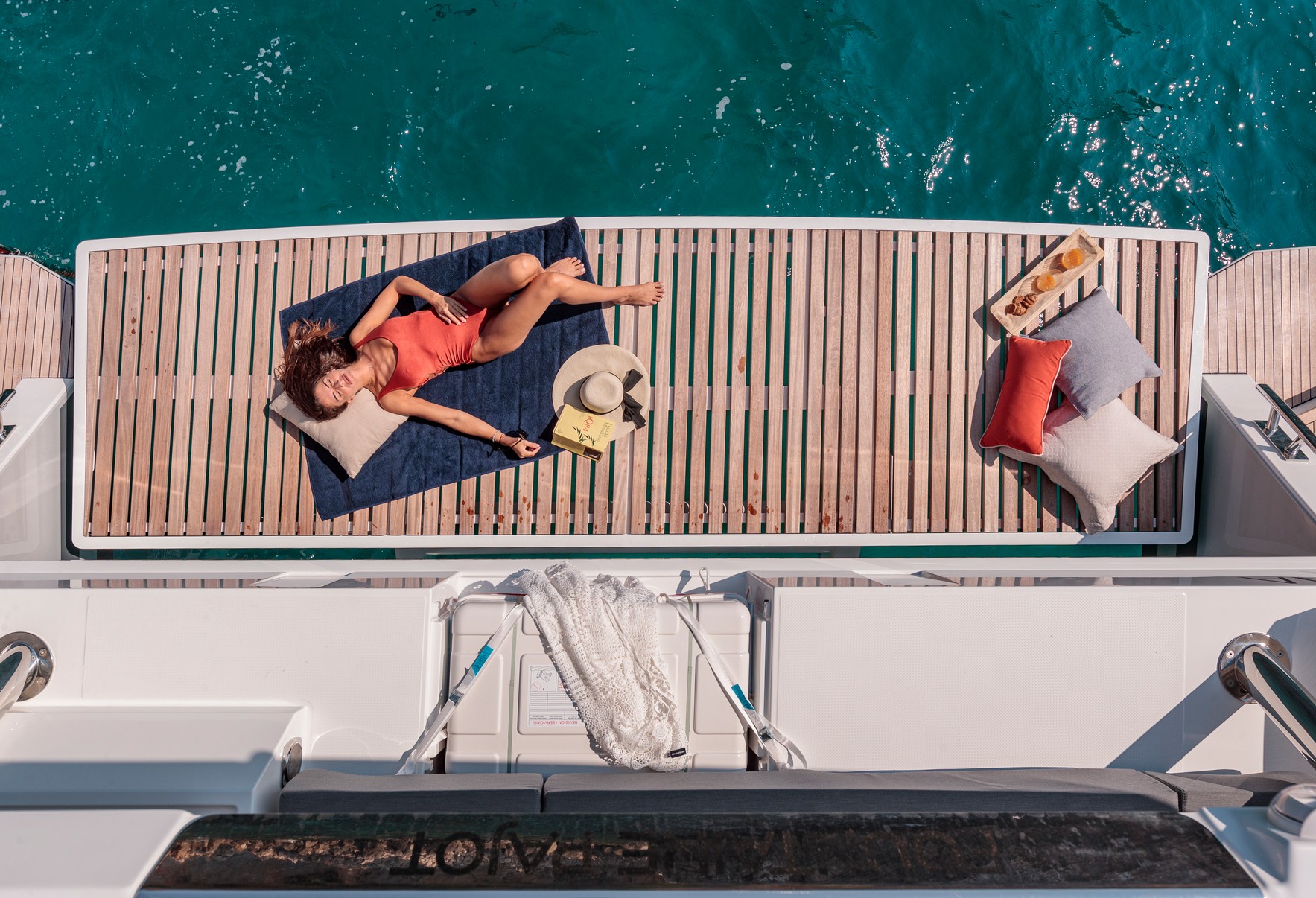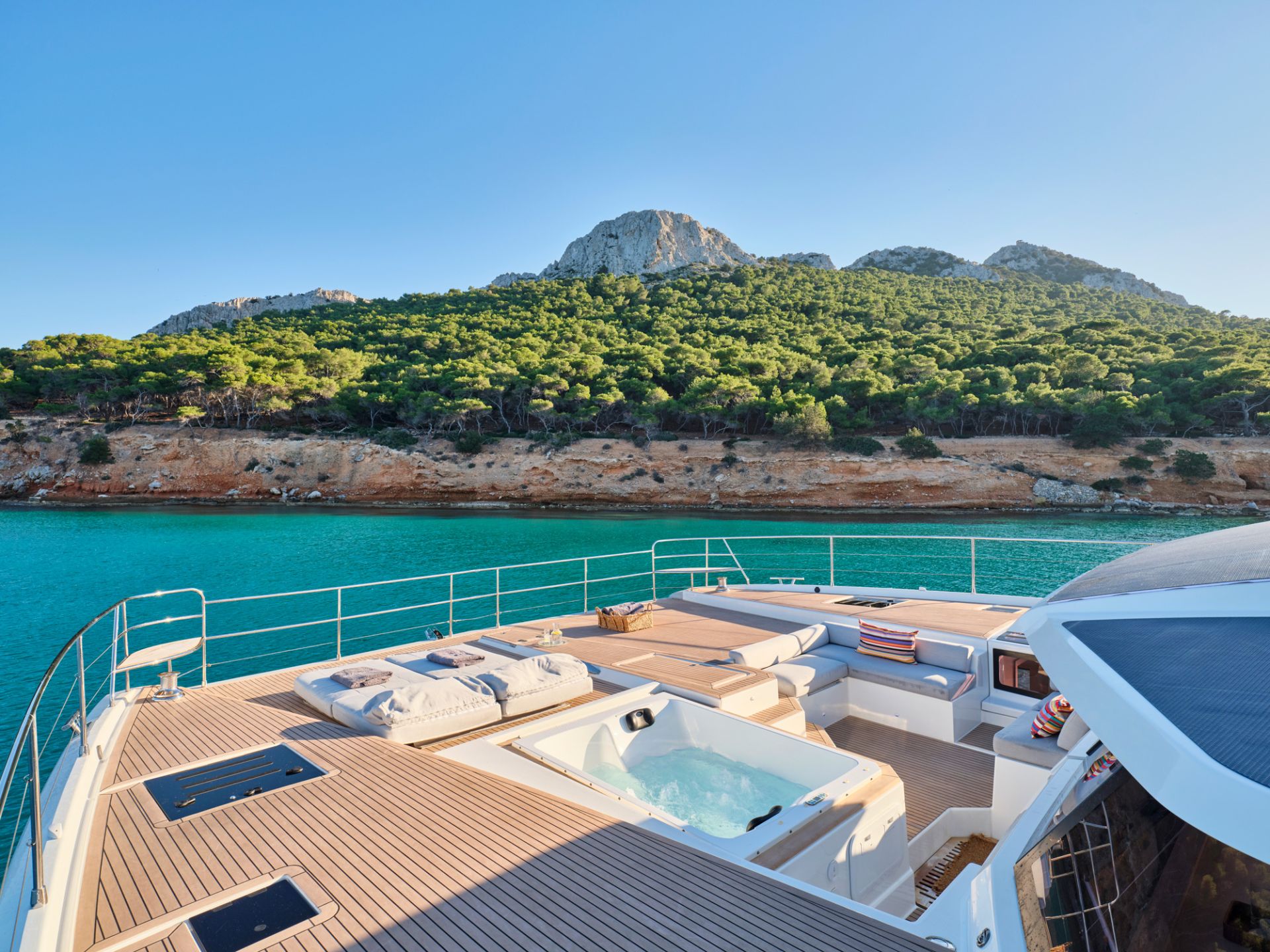
There are many ways to explore Greece, but few give you the same sense of freedom as travelling by catamaran.
Instead of choosing one island and staying there for your entire holiday, a catamaran allows you to wake up somewhere new almost every day. You can swim in quiet bays before breakfast, spend the afternoon exploring a small island village, enjoy dinner beside the sea and then fall asleep surrounded by calm water.
Greece is particularly well suited to this kind of holiday. With hundreds of inhabited islands, thousands of smaller islands and islets, beautiful anchorages and relatively short sailing distances between many destinations, it is possible to create an itinerary that combines famous places with much quieter corners of the country.
But planning a catamaran holiday can feel complicated if you have never chartered a yacht before.
Should you book a bareboat or a crewed catamaran? Which part of Greece should you explore? How many days do you need? When should you travel? And what happens after you decide which yacht you want?
This guide explains the process from beginning to end, so you know what to expect before planning your own catamaran trip to Greece.
Different Types of Catamaran Charters
One of the first decisions you will need to make is what type of charter you want.
The main difference is how much responsibility you want to have during your holiday.
Bareboat Catamaran Charter
A bareboat charter means that you rent the catamaran without a professional crew.
You, or someone travelling with you, are responsible for sailing the yacht, navigating, choosing anchorages and generally operating the boat throughout the trip.
This is usually the most independent type of charter and can be a great option for experienced sailors who enjoy planning their own routes.
However, the skipper will normally need to meet the sailing licence and experience requirements that apply to the yacht and cruising area.
Bareboat charters also involve more responsibility. You will need to think about navigation, weather conditions, docking, provisioning, water and fuel consumption, and the practical side of living onboard.
For experienced sailors, that can be part of the enjoyment. For travellers who simply want to relax, there are easier options.
Skippered Catamaran Charter
A skippered charter includes a professional skipper who operates the catamaran for you.
This removes much of the responsibility of sailing while still giving you plenty of flexibility when planning your route.
A local skipper can also be extremely useful in Greece. They understand the weather, know the best anchorages and can often suggest quieter bays, good swimming spots and smaller destinations that you may not have discovered yourself.
Depending on the charter, guests are usually still responsible for meals, cleaning, provisioning and most aspects of life onboard.
Crewed Catamaran Charter
A crewed catamaran comes with a professional team that takes care of the yacht and your experience onboard.
At a minimum, this will normally include a captain and another crew member, while larger luxury catamarans have additional crew.
The captain manages the yacht, navigation, and itinerary, while the crew takes care of meals, drinks, housekeeping, and many of the practical details of the trip.
This makes a crewed charter feel much more like a private, luxury floating hotel.
Instead of thinking about where to provision, how to prepare lunch or where to anchor safely, you can concentrate on enjoying the destination.
Fully Crewed Luxury Catamaran Charter
For travellers looking for the most comfortable and complete experience, a fully crewed luxury catamaran is usually the best option.
These yachts combine spacious accommodation with professional service, personalised itineraries and a much higher level of comfort.
Meals can be prepared onboard according to your preferences, the crew can organise activities and help you discover each destination, and your itinerary can be adapted during the trip depending on weather conditions and what you feel like doing.
Aloia's catamarans are designed around this style of travel, offering guests the space and privacy of a private yacht together with the service of an experienced crew.
For families, couples or groups of friends who want to experience Greece without worrying about the practical side of sailing, a fully crewed charter offers a particularly easy and enjoyable way to travel.
Why Visit Greece on a Catamaran?
Greece and catamarans work exceptionally well together.
The geography of the country makes travelling by sea one of the best ways to experience it.

Explore Several Islands in One Holiday
One of the biggest advantages of chartering a catamaran is that your accommodation travels with you.
You do not need to keep packing bags, checking out of hotels, catching ferries and organising transfers.
You can wake up in one island, swim somewhere completely different during the afternoon and have dinner in another harbour that evening.
Over the course of a week, you can experience several different islands while still returning to the same comfortable cabin every night.
Reach Places That Are Difficult to Visit by Land
Some of the most beautiful places in Greece are easiest to reach from the sea.
Small coves, isolated beaches and quiet anchorages may have no road access at all.
With a catamaran, these places can become part of your everyday itinerary.
More Space Than Many Traditional Sailing Yachts
Catamarans have two hulls rather than one, which gives them a wide and spacious layout.
This means generous outdoor areas, comfortable cabins and large communal spaces for dining and relaxing.
Many catamarans also have shallow drafts, allowing them to anchor closer to beaches and enter bays that may be less accessible to deeper yachts.
The wide platform also makes them particularly appealing for families and groups of friends who want space to spread out.

Comfortable Cruising
Because a catamaran has two hulls, it generally stays flatter in the water than a traditional monohull sailing yacht.
For many guests, this makes life onboard feel more comfortable, particularly while relaxing, dining or moving around the yacht.
There are also several different outdoor areas where guests can spend time, from shaded cockpit seating to large forward lounging spaces and, on some yachts, flybridges.
A Different View of the Greek Islands
Arriving on an island by boat feels very different from arriving by plane or ferry.
You see the coastline slowly approaching, pass small beaches and cliffs along the way and often arrive directly into the heart of a harbour or village.
It gives you a much stronger connection with the sea and with the geography of the islands.
And because your itinerary is flexible, the journey itself becomes part of the holiday rather than simply the way you get from one destination to another.
Steps for Booking a Catamaran Trip to Greece
Planning a catamaran holiday is easier than you think.
Step 1: Decide When You Want to Travel
The Greek sailing season generally runs from spring until autumn, with the busiest period during the summer months.
July and August bring hot weather, warm seas and lively islands.
June and September are also extremely popular because the weather is usually excellent while some destinations are less crowded.
May and October can be attractive for travellers who prefer a more peaceful atmosphere, although weather conditions can be more variable, especially at sea.
Your travel dates can also affect yacht availability and charter prices, so choosing your approximate dates early is useful.
Step 2: Decide Which Area of Greece You Want to Explore
Greece has several very different cruising regions.
The Cyclades are famous for whitewashed villages, dramatic landscapes and islands such as Mykonos, Paros, Naxos and Milos.
The Ionian Islands are greener and often have calmer sailing conditions, with destinations including Corfu, Paxos, Lefkada, Kefalonia and Zakynthos.
The Saronic Gulf is easily accessible from Athens and combines attractive islands, historic towns and relatively short sailing distances.
The Dodecanese, meanwhile, offer a different character again, with islands such as Rhodes, Symi and Kos.
You do not necessarily need to know your exact itinerary before making an enquiry. Your yacht broker and captain will help you craft an itinerary that works for your preferences. Choosing the general region and the type of experience you want is usually enough to begin.
Step 3: Decide How Many People Are Travelling
Catamarans come in many different sizes and cabin configurations.
Knowing your group size helps determine which yachts will be suitable.
Think not only about the number of guests, but also about how the cabins will be shared.
A group of couples, for example, may have different requirements from a family travelling with children.
Step 4: Think About the Experience You Want
This is one of the most enjoyable parts of planning.
Some guests want to spend most of the trip swimming, paddleboarding and relaxing in quiet bays.
Others want to visit famous islands, explore villages, eat in restaurants and experience the nightlife.
You may also want a combination of both.
A fully crewed charter can be adapted around your preferences, so the more your broker and crew understand about what you enjoy, the more personalised the experience can become.
Aloia's Trip Planner is a useful place to start. It allows you to think through your preferred destinations, dates, group size and style of holiday before discussing the charter in more detail.
Step 5: Choose a Catamaran
Once your requirements are clear, a yacht charter broker can present suitable catamarans.
When comparing yachts, look beyond simply the length of the boat.
A slightly larger catamaran can make a significant difference when several people are travelling together, particularly during a week-long charter.
Aloia's catamarans are designed for fully crewed luxury holidays in Greece, with spacious living areas and professional crews who can help turn the itinerary into a complete experience rather than simply a sailing trip. Compare Aloia 80 and Alina 80 as you explore the fleet.
Step 6: Book Through Your Yacht Charter Broker
Catamaran charters are normally arranged through professional yacht charter brokers.
The broker acts as the link between the guest and the yacht. They can explain availability, charter terms, pricing and contracts and help guide you through the booking process.
Aloia does not handle the booking process directly.
Once you have found an Aloia catamaran that fits your plans, your broker will manage the reservation and charter agreement.
Step 7: Complete Your Preference Information
Before a crewed charter begins, guests are normally asked to provide information about their preferences.
This can include dietary requirements, favourite foods, drinks, allergies, activities and any special occasions you may be celebrating.
This information helps the crew prepare for your arrival and personalise the experience onboard.

What You Need to Know Before Booking a Catamaran Charter
Before confirming your trip, there are a few practical things that are useful to understand.
The Advertised Charter Price May Not Be the Final Trip Cost
Yacht charter pricing can work differently from booking a hotel.
Depending on the yacht and charter agreement, additional expenses may be charged separately.
These can include items such as fuel, food, beverages, marina fees and other operating expenses.
In many cases, the cost for fuel or food and beverages is calculated once the charter has ended.
Your broker should explain clearly what is included in the charter fee and what will be charged separately. Understanding this before booking makes it much easier to estimate the total budget for the holiday.
Itineraries Are Flexible
A yacht charter itinerary is not normally fixed in the same way as a cruise ship itinerary.
That is part of the appeal.
You may have a planned route before departure, but the captain can adjust it depending on weather conditions, sea conditions and what the group feels like doing.
You might discover a bay you love and stay longer than expected, or change destination because another island offers better conditions that day.
Weather Plays a Role
Even during the Greek summer, weather conditions affect sailing.
Certain parts of Greece can experience stronger seasonal winds, while others are generally more sheltered.
Your captain will always consider safety and comfort when planning the route.
This is another major advantage of travelling with an experienced crew. They can adjust the itinerary while still making sure you experience beautiful destinations.
Think About Sailing Distances
It can be tempting to try to visit as many islands as possible.
But more destinations do not necessarily create a better holiday.
Long sailing distances every day can reduce the amount of time you have for swimming, exploring and relaxing.
A good itinerary usually balances movement with enough time to actually enjoy each destination.
For a first catamaran trip, choosing a relatively compact cruising area can often create a more relaxed experience.
Pack Light
Storage space on yachts is more limited than in hotels, so soft luggage is generally much easier to store than large hard-shell suitcases.
Most of the time, you will need much less clothing than you expect.
Swimwear, light summer clothes, sunglasses, sunscreen, a hat and a few outfits for evenings ashore will cover most situations.
A Catamaran Holiday Can Be as Active or Relaxed as You Want
There is no correct way to spend a week onboard.
You can fill your days with swimming, snorkelling, paddleboarding, exploring islands and visiting restaurants.
Or you can spend hours reading in the shade, having long lunches onboard and watching the coastline pass by.
Most guests end up doing a little of both.
That flexibility is one of the biggest advantages of a private charter.
Conclusion
A catamaran trip is one of the most memorable ways to experience Greece.
It gives you the freedom to explore multiple islands while travelling with your own accommodation, your own outdoor spaces and, on a fully crewed charter, a professional team looking after the details along the way.
You can wake up beside an empty beach, swim before breakfast, spend the afternoon exploring a Greek village and enjoy dinner overlooking another island that evening.
And the following day can be completely different.
The key to planning a great charter is choosing the right yacht, the right cruising area and the right balance of experiences for the people travelling with you.
If you are beginning to plan your own catamaran holiday in Greece, use the Aloia Trip Planner to start building your trip. Choose your dates, destinations and travel preferences, and begin shaping the kind of Greek island experience you would like to have.
From there, a yacht charter broker can help you with availability, pricing and the booking process for your chosen Aloia catamaran.
Frequently Asked Questions About Catamaran Charters in Greece
How much does it cost to charter a catamaran in Greece?
The cost of a catamaran charter in Greece depends on the size of the boat, the time of year, the number of guests and whether the charter is bareboat, skippered or fully crewed.
Luxury fully crewed catamarans usually have a higher charter fee because they include a professional crew and a more complete onboard experience. Additional expenses such as fuel, food, drinks and marina fees may also be charged separately, depending on the charter agreement.
As a general guide, a bareboat catamaran can cost around €6,000 to €18,000 per week, while fully crewed catamarans typically start from around €15,000 per week and can exceed €50,000 per week for larger luxury yachts. Some of the largest and most luxurious catamarans available in Greece can cost €70,000–€90,000 per week or more during the summer.
Your yacht charter broker can explain exactly what is included and provide a clearer estimate of the total cost.
What is the best time of year to charter a catamaran in Greece?
The main catamaran charter season in Greece runs from May to October.
July and August are the warmest and busiest months, with lively islands and warm sea temperatures. June and September are also excellent choices, offering beautiful weather with a slightly calmer atmosphere in many destinations.
May and October can be ideal for travellers who prefer quieter islands and cooler temperatures.
Do I need a sailing licence to charter a catamaran in Greece?
If you book a bareboat catamaran, the skipper will normally need to meet the required sailing licence and experience requirements.
If you choose a skippered or fully crewed catamaran charter, you do not need any sailing experience or qualifications. The professional captain is responsible for operating and navigating the yacht.
How many days do you need for a catamaran trip in Greece?
One week is one of the most popular lengths for a catamaran charter in Greece.
Seven days gives you enough time to visit several islands without spending the entire holiday moving from one place to another.
Longer charters of 10 days or two weeks allow for a slower pace and make it easier to explore a larger cruising area.
Are catamaran charters good for families?
Yes. Catamarans are particularly popular with families because they usually offer plenty of space, multiple outdoor areas and comfortable communal spaces.
Their wide layout also gives guests more room to move around compared with many traditional sailing yachts.
On a fully crewed catamaran, the crew can also help make the experience easier for families by preparing meals, suggesting suitable swimming spots and adjusting the itinerary around the group's preferences.
What is included in a fully crewed catamaran charter?
A fully crewed catamaran charter generally includes the yacht and a professional crew, typically including a captain and additional crew members.
Depending on the yacht, the crew may take care of navigation, meals, housekeeping, drinks and daily service onboard.
How do I book a luxury catamaran charter in Greece?
The booking process is usually handled through a professional yacht charter broker.
A good place to begin is by deciding when you want to travel, how many people are coming and which areas of Greece interest you most.
You can use the Aloia Trip Planner to start shaping your ideal itinerary and charter preferences. Once you have a clearer idea of the experience you want, a broker can help with yacht availability, pricing, contracts and the final booking process.
Charter terms, weather, yacht specifications and port operations can change. Confirm current details with the yacht’s central agent, your broker, the captain and relevant local authorities.