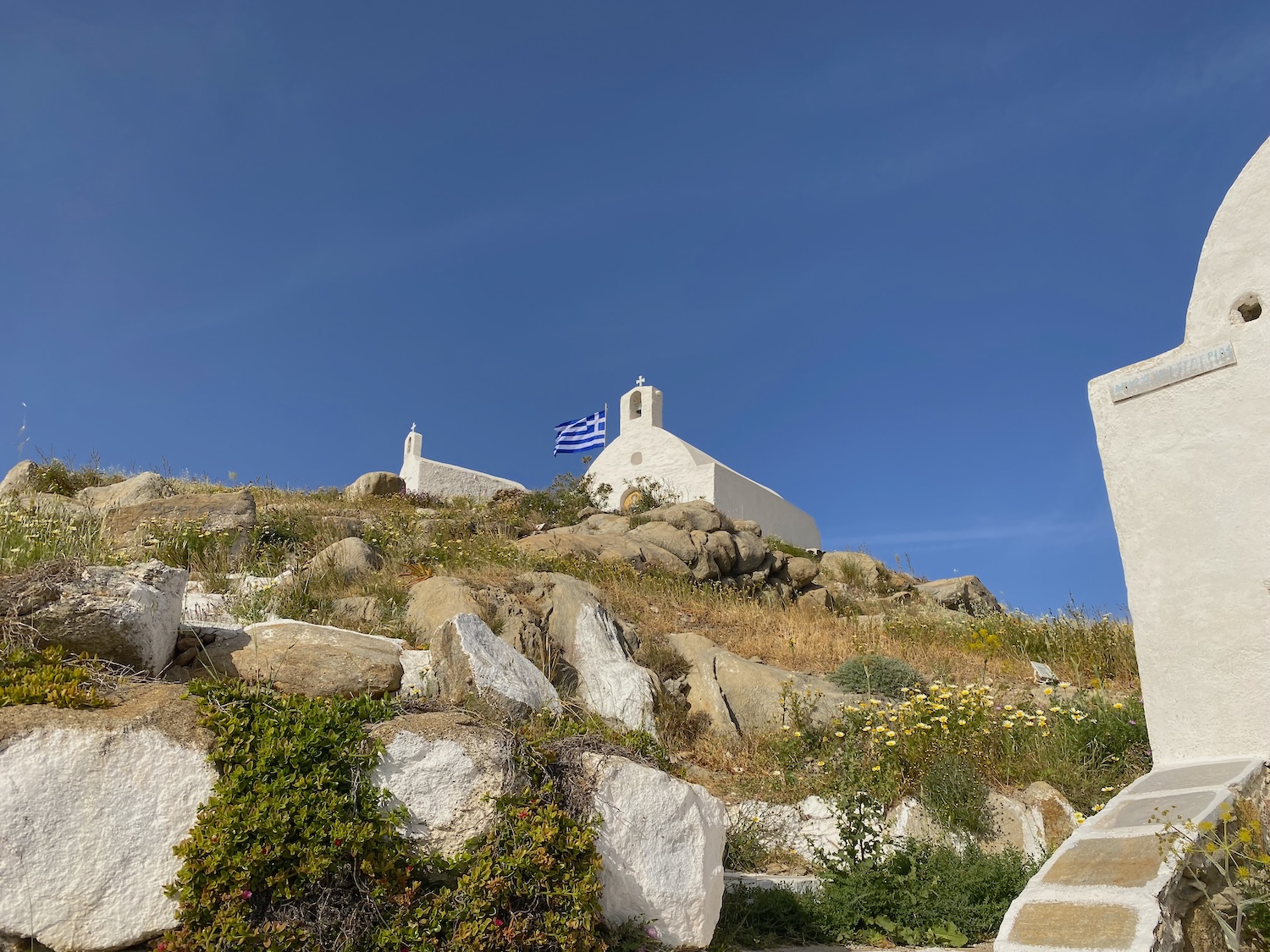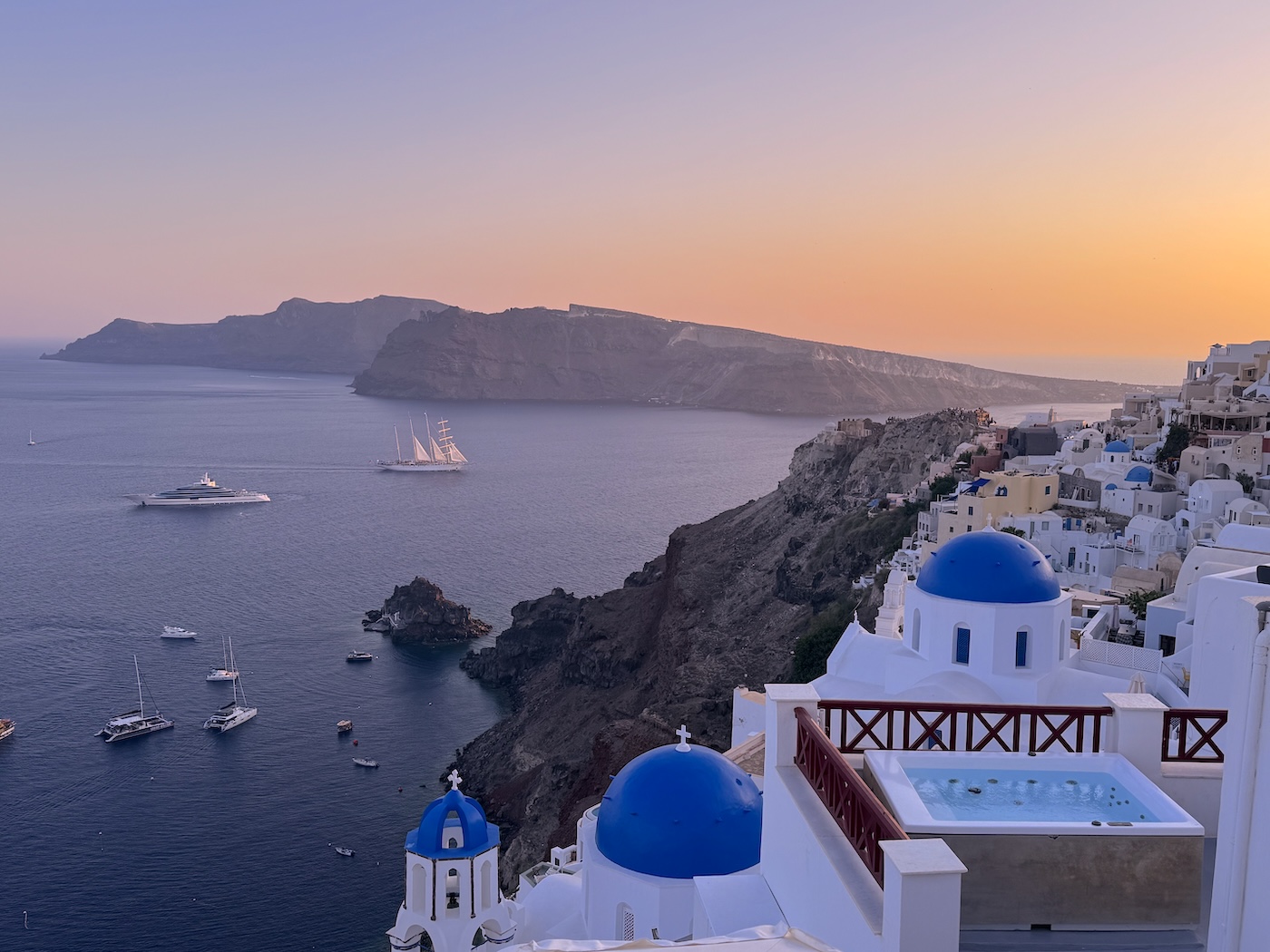
Santorini is famous worldwide. Whitewashed houses, blue-domed churches, volcanic cliffs and sunsets over the Aegean have made it one of Greece’s most photographed islands.
But there is much more to Santorini than the famous view from Oia.
Spend a little more time here and you’ll find ancient settlements, traditional villages, volcanic beaches, family-run tavernas, wineries and walking trails. The island’s unusual landscape shapes almost everything, from the grapes growing close to the ground to villages built directly into the cliffs.
And, of course, seeing Santorini from the sea gives you another perspective entirely.
This guide covers the best things to do in Santorini, beaches worth visiting, where to eat, where to stay and what to know if you plan to explore the island by boat.
Why visit Santorini?
Santorini is part of the Cyclades, sitting north of Crete in the southern Aegean.
What we call Santorini is actually a group of islands surrounding a flooded volcanic caldera. Thera is the main island, while Thirasia sits across the water and the volcanic islands of Nea Kameni and Palea Kameni rise from the center.
That geography gives Santorini its dramatic appearance.
Fira, Imerovigli and Oia sit high above the water on the edge of the caldera, with layers of volcanic rock visible underneath them.
The views are a big reason to visit, but Santorini becomes interesting also once you move beyond them.
You can explore the prehistoric settlement of Akrotiri, walk through medieval villages such as Pyrgos and Emporio, taste Assyrtiko wine where the grapes are grown, swim from black volcanic beaches and spend an more.
A few days gives you enough time to experience the highlights without rushing.
Best things to do in Santorini
Explore Oia

Oia is Santorini’s most famous village, and for good reasons.
White houses tumble down the cliffs, small churches appear between narrow pedestrian lanes, and almost every turn seems to reveal another view over the caldera.
The village gets particularly busy around sunset, so try visiting early in the morning if you want to explore at a slower pace.
Walk through the quieter side streets, visit the remains of Oia Castle and stop for coffee or a meal instead of treating the village as somewhere you only come to take photographs.
If you have time, walk down toward Ammoudi Bay below Oia. The red volcanic cliffs and small waterfront feel completely different from the village above. Keep in mind that there are plenty of steps on the way back!
Walk from Fira to Imerovigli, or all the way to Oia

One of the best ways to appreciate Santorini’s landscape is on foot.
The walking route connecting Fira, Firostefani, Imerovigli and Oia follows the caldera for much of the way, giving you constantly changing views of the cliffs, sea and volcanic islands.
You don’t necessarily need to complete the entire Fira-to-Oia walk, especially if you are visiting in the summer months.
Fira to Imerovigli makes an excellent shorter option, while stronger walkers can continue toward Oia.
During summer, start early in the morning. There is little shade along parts of the trail, so make sure to bring water, sun protection and proper walking shoes.
Visit Akrotiri
Akrotiri is one of the most important archaeological sites in the Aegean.
The Bronze Age settlement was buried following the major volcanic eruption in the late 17th century BC. Today, visitors can walk through a covered archaeological site containing preserved streets, buildings, pottery and evidence of a surprisingly sophisticated ancient community.
It is easy to spend more time here than expected.
If you are into history, you can combine your visit with the Museum of Prehistoric Thera in Fira, where important finds from Akrotiri are displayed.
Discover Ancient Thera
Santorini has another important archaeological site on Mesa Vouno, high above Kamari and Perissa.
Ancient Thera developed centuries after prehistoric Akrotiri and includes remains from Greek, Roman and Byzantine periods.
Its location is part of the experience. From the ridge, you get excellent views across the southeastern side of Santorini.
Visiting both Akrotiri and Ancient Thera helps show just how long people have lived on this small volcanic island.
Spend an afternoon in Pyrgos

If Oia and Fira are some of the busiest spots in Santorini, Pyrgos offers a different, quieter and more traditional atmosphere.
The village climbs around the remains of a Venetian castle, with narrow lanes, churches, small cafés and views over much of the island.
Pyrgos is particularly lovely in the late afternoon, when you can wander through the village before stopping somewhere for dinner or a glass of local wine.
If you are visiting Santorini during Greek Easter, Pyrgos offers an extraordinary scene: locals light wax torches all over the perimeter of the houses, turning the entire village into a glowing outline on the hillside, while church bells ring and small fireworks light up the night sky above the castle.
Enjoy a Wine Tasting
Wine tasting in Santorini is one of the most enjoyable and authentic experiences on the island, and it offers a nice break from sightseeing and beach time.
What makes Santorini’s wine so special is the island’s volcanic soil. The vines grow in ash-rich, mineral-heavy ground, which gives the wines a very distinct characterespecially the white wines.
Most wineries also pair tastings with small plates of local food like cheese, tomatoes, olives, and cured meats, which makes the experience feel more like a relaxed meal than a formal tasting.
The best part is the setting. Many wineries are located on hillsides with open views across the island or toward the caldera, so you can enjoy your glass of wine while watching the landscape change with the light.
If you have time, make sure to visit Domaine Sigalas near Oia, one of Santorini’s most respected wineries. It’s a beautiful place to experience Assyrtiko at its source, surrounded by vineyards and open countryside.
Explore Emporio and Megalochori
Two other villages deserve time if you want to see more than Santorini’s famous caldera towns.
Emporio has one of the island’s best-preserved fortified medieval centers. Its narrow passages and tightly packed houses make it a fascinating place to explore on foot.
Megalochori feels more open and relaxed. The village is surrounded by vineyards and old wine cellars, so it also works well as part of a winery day.
Neither requires a full day. Give yourself an hour or two, find somewhere for coffee, and wander without much of a plan.
Visit the volcano

Boat excursions to Nea Kameni take visitors into the center of Santorini’s caldera.
After landing on the volcanic island, you can walk across the stark landscape toward the crater area. Many tours also stop near Palea Kameni for swimming and continue to Thirasia.
It is one of the easiest ways to understand how unusual Santorini’s geography really is.
Wear comfortable shoes and bring water. There is very little shade.
Kamari Open Air Cinema
Kamari Open Air Cinema is one of Santorini’s most charming and relaxed evening experiences.
Set just outside Kamari village, this open-air cinema is surrounded by trees and soft lighting, creating a laid-back atmosphere that feels very different from the busy caldera towns. You can watch a film under the stars while enjoying a drink or a snack from the bar, which is all part of the experience.
The cinema shows a mix of recent international films and classics, usually in English with Greek subtitles. It’s a simple idea, but it works beautifully in the warm summer air.
Arrive a little early if you want a good seat, especially in peak season.
Best beaches in Santorini
Santorini isn’t primarily a classic sandy-beach destination, but its volcanic geology has created some very unusual stretches of coastline.
Perissa and Perivolos
Perissa and neighbouring Perivolos form a long stretch of dark volcanic sand on Santorini’s southeastern coast.
This is one of the easiest places to spend a traditional beach day.
You’ll find sunbeds, restaurants, cafés, bars and water sports along the coast, with Perivolos generally feeling a little more spread out than Perissa.
It’s a good choice when you want an easy day with everything nearby.
Kamari

Kamari is another popular black-sand beach with a long pedestrian waterfront lined with restaurants and cafés.
Mesa Vouno rises dramatically at one end of the beach, separating Kamari from Perissa.
The dark sand can become very hot in the middle of summer, so beach shoes can be useful.
Vlychada Beach

Vlychada has one of Santorini’s most unusual landscapes.
Behind the dark sand are pale volcanic cliffs carved by wind and erosion into shapes that sometimes look almost lunar.
It is quieter than Kamari and Perissa but still has places nearby for food and drinks.
Close to the beach, the Tomato Industrial Museum tells the story of Santorini’s once-important tomato industry and makes an interesting stop if you want a break from the sun.
Red Beach

Red Beach near Akrotiri is famous for the contrast between its rust-red volcanic cliffs and dark shoreline.
It’s worth seeing, but access can sometimes be restricted because of rockfalls and erosion. Pay attention to local signs and barriers rather than assuming the beach or footpath is open.
Even when you don’t spend time on the beach itself, the surrounding landscape is worth seeing.
White Beach
White Beach sits further along the coast from Red Beach and is surrounded by pale cliffs.
It is smaller and less developed, with access commonly made from the sea.
Think of it more as a scenic swimming stop than somewhere to spend an entire beach day.
Where to eat in Santorini
Santorini has a food culture of its own, shaped by the island’s dry climate, strong winds and volcanic soil.
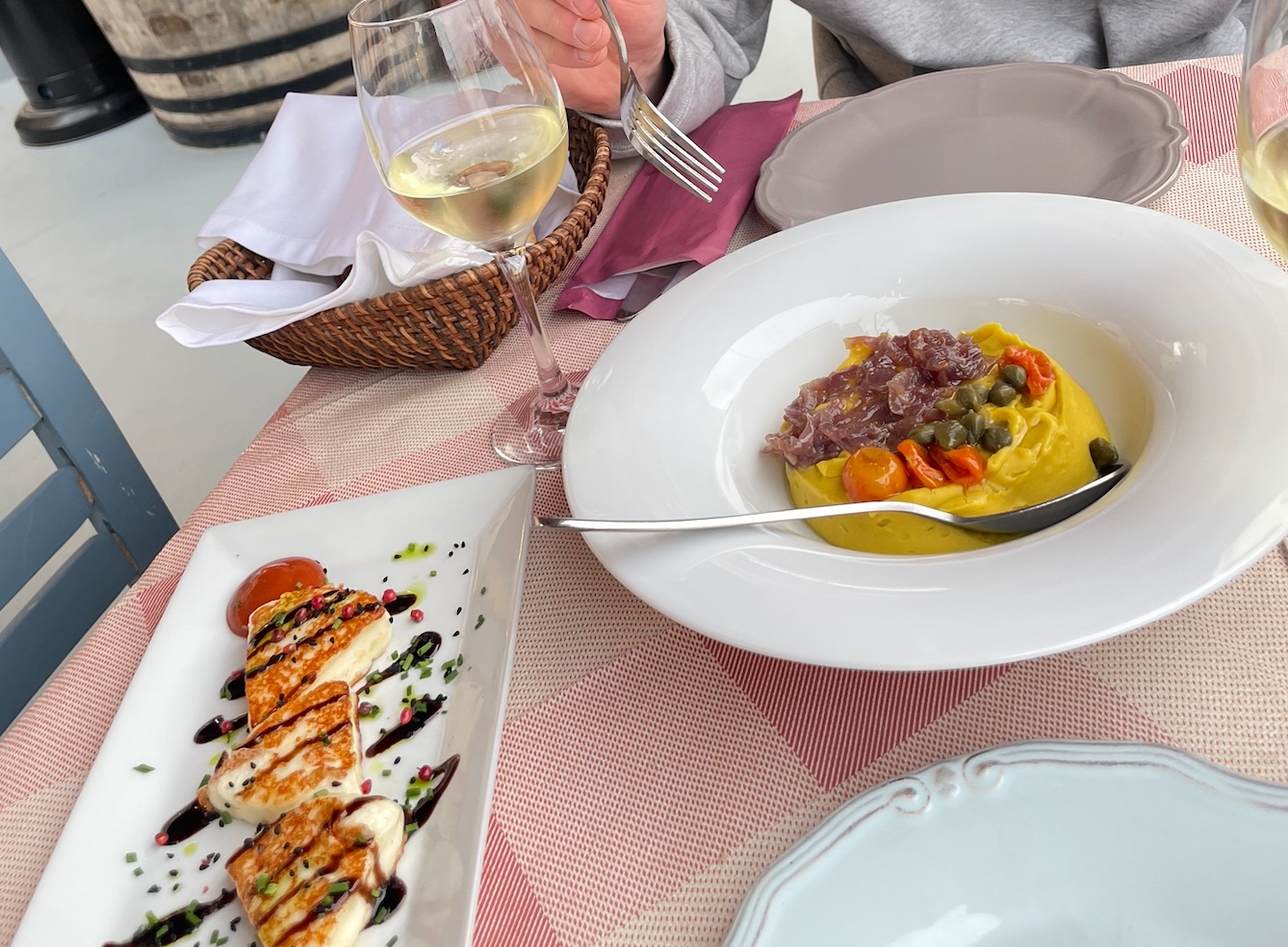
Start with fava Santorinis, the island’s yellow split peas cooked into a creamy purée and usually served with onions, capers and olive oil.
You’ll also see Santorini tomatoes, tomato fritters known as tomatokeftedes, capers and caper leaves, white aubergine and local cheeses on menus around the island.
Seafood naturally features heavily too.
For a good introduction to the island’s food, these are the restaurants we recommend.
Armeni Restaurant
Armeni Restaurant sits by the water in Armeni Bay below Oia.
This is somewhere to choose when you want the meal itself to feel like part of the day’s experience. The setting is relaxed and right beside the Aegean, while the menu focuses heavily on seafood and Greek flavours.
Fresh fish, grilled octopus, calamari, seafood pasta and Santorini fava all feature on the menu.
Reaching Armeni is a little unusual. The restaurant operates boat transfers from Ammoudi for guests with reservations during its scheduled service hours, or you can reach it on foot via the steps from Oia. Check the restaurant’s current access information when reserving.
It’s a particularly good choice for a leisurely lunch rather than a rushed meal.
Krinaki Taverna
Krinaki Taverna is in Finikia, just outside central Oia.
Finikia itself is worth discovering. The village is quieter and more residential than Oia, despite being very close by.
Krinaki serves traditional Greek and Santorinian dishes in an informal taverna setting. Its menu includes Santorini fava, Greek salads, grilled sardines, meat dishes, seafood, moussaka and local-style pasta.
Come here when you want a relaxed Greek meal away from the busiest parts of Oia.
Roka
Roka is a small, relaxed restaurant in Oia that offers a welcome break from the more tourist-heavy dining spots in the village. It has a simple, understated charm, with a focus on good food rather than flashy presentation or caldera views.
The menu is rooted in modern Greek cuisine, with dishes that highlight local ingredients in a straightforward and thoughtful way. You’ll typically find fresh seafood, well-prepared meat dishes, seasonal vegetables, and a few creative twists on traditional recipes. Everything is designed to be shared and enjoyed at an unhurried pace.
Because of its size and reputation, it’s a good idea to book in advance, especially during peak season.
To Psaraki
To Psaraki is a small, family-run seafood taverna located in Vlychada, on Santorini’s quieter southern coast. It sits just above the small fishing harbor, with views over the marina and the dramatic volcanic cliffs that surround the area.
This is the kind of place people come to for simple, honest Greek food rather than fine dining. The menu focuses on fresh fish and traditional seafood dishes, often based on whatever has been caught that day. Grilled octopus, fried calamari, shrimp, and whole fish are the highlights, along with classic meze plates, salads, and local specialties.
To Psaraki is a good choice if you want to escape the busier caldera villages and experience a more local side of Santorini, and it is easily reachable by boat too.
Try Santorini’s wines
Food is only half the story in Santorini. The island is one of Greece’s most distinctive wine regions.
Assyrtiko is the grape to know. It produces dry white wines known for their freshness, acidity and mineral character.
You’ll notice something unusual when visiting the vineyards: instead of growing upright on conventional trellises, many vines are trained close to the ground in circular basket shapes called kouloura.
This helps protect the grapes from Santorini’s strong winds while conserving moisture.
Several wineries around Megalochori, Pyrgos and the center of the island offer tastings and vineyard tours.
Also look for Nykteri, a traditional dry wine style, and Vinsanto, Santorini’s rich sweet wine made from sun-dried grapes.
If you’re planning several tastings, arrange transport rather than driving.
Where to stay in Santorini
Where you stay can make a big difference to your Santorini experience.
Fira is a good choice if nightlife, restaurants and transport connections are priorities for you. Imerovigli is quieter while still offering spectacular caldera views. Oia is a good choice when you want to stay right in the island’s most famous village and enjoy it during the quieter early-morning and evening hours.
For a special stay in Oia, these are two properties we recommend.
Aloia Villas
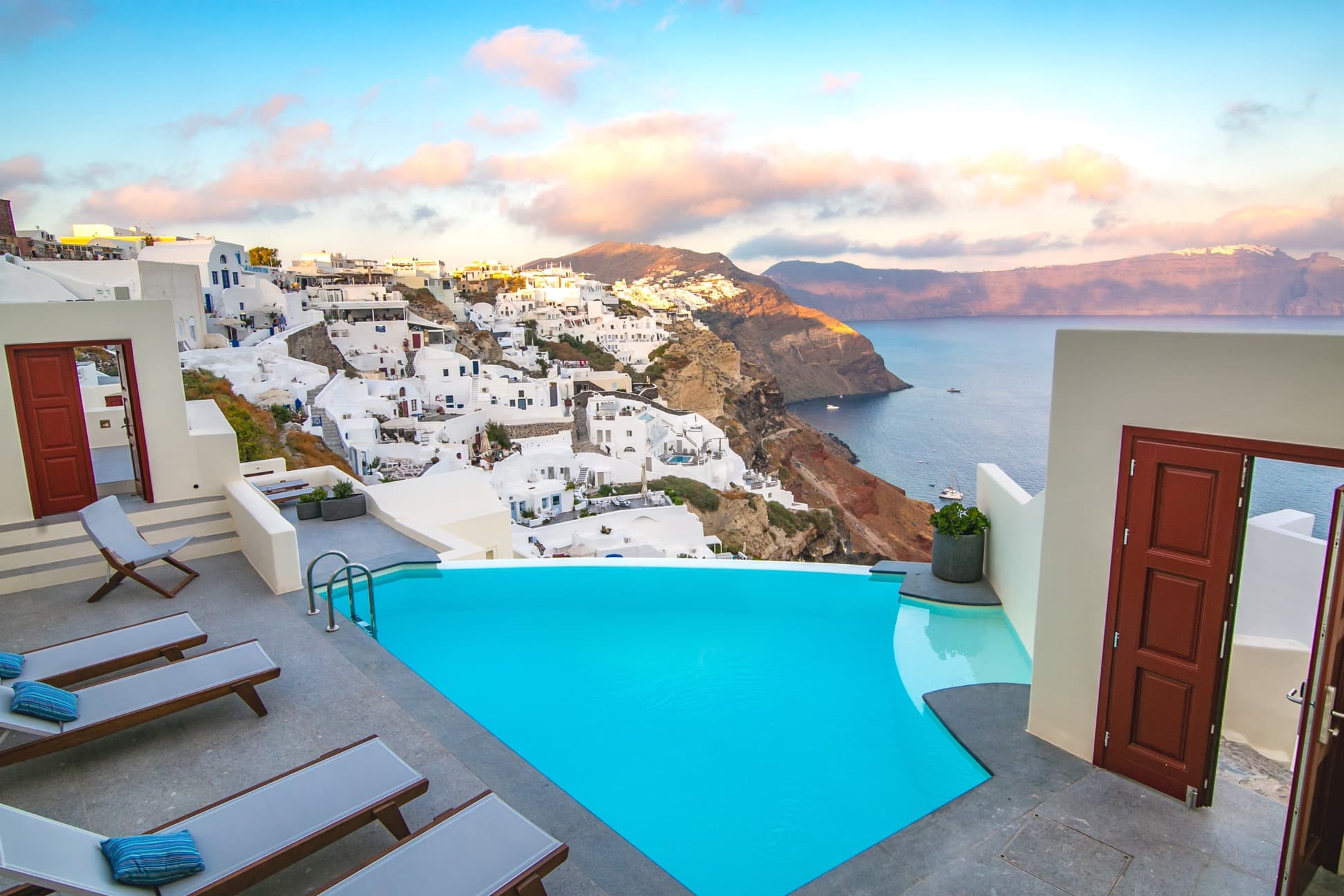
Aloia Villas is a collection of family-owned villas in the heart of Oia overlooking the caldera and volcano.
The villas combine traditional Santorini architecture with private, contemporary spaces. The individual villas differ in size and layout, and the collection includes options with outdoor hot tubs as well as a larger villa with an infinity pool.
Breakfast is served individually, and the location works particularly well if you want to be close to Oia while still having somewhere private to retreat during the busiest part of the day.
Canaves Oia
Canaves Oia is one of Oia’s best-known luxury stays.
The property developed from traditional canaves: old wine-storage caves carved into Santorini’s volcanic cliffs, which were transformed into suites.
Expect the bright, minimalist architecture associated with Oia, caldera views and a strong focus on service.
It’s a good option for couples and travelers looking for a polished luxury-hotel experience within easy walking distance of Oia.
Exploring Santorini by boat
Santorini is simply spectacular from the water, and offers an experience that is very different from exploring the island by road or on foot.
From the sea, you can see the enormous layers of volcanic rock beneath Oia, Fira and Imerovigli and appreciate the true scale of the caldera.
A typical day on the water might include the volcanic islands, swimming near Palea Kameni, Thirasia and the southern coastline around Akrotiri.
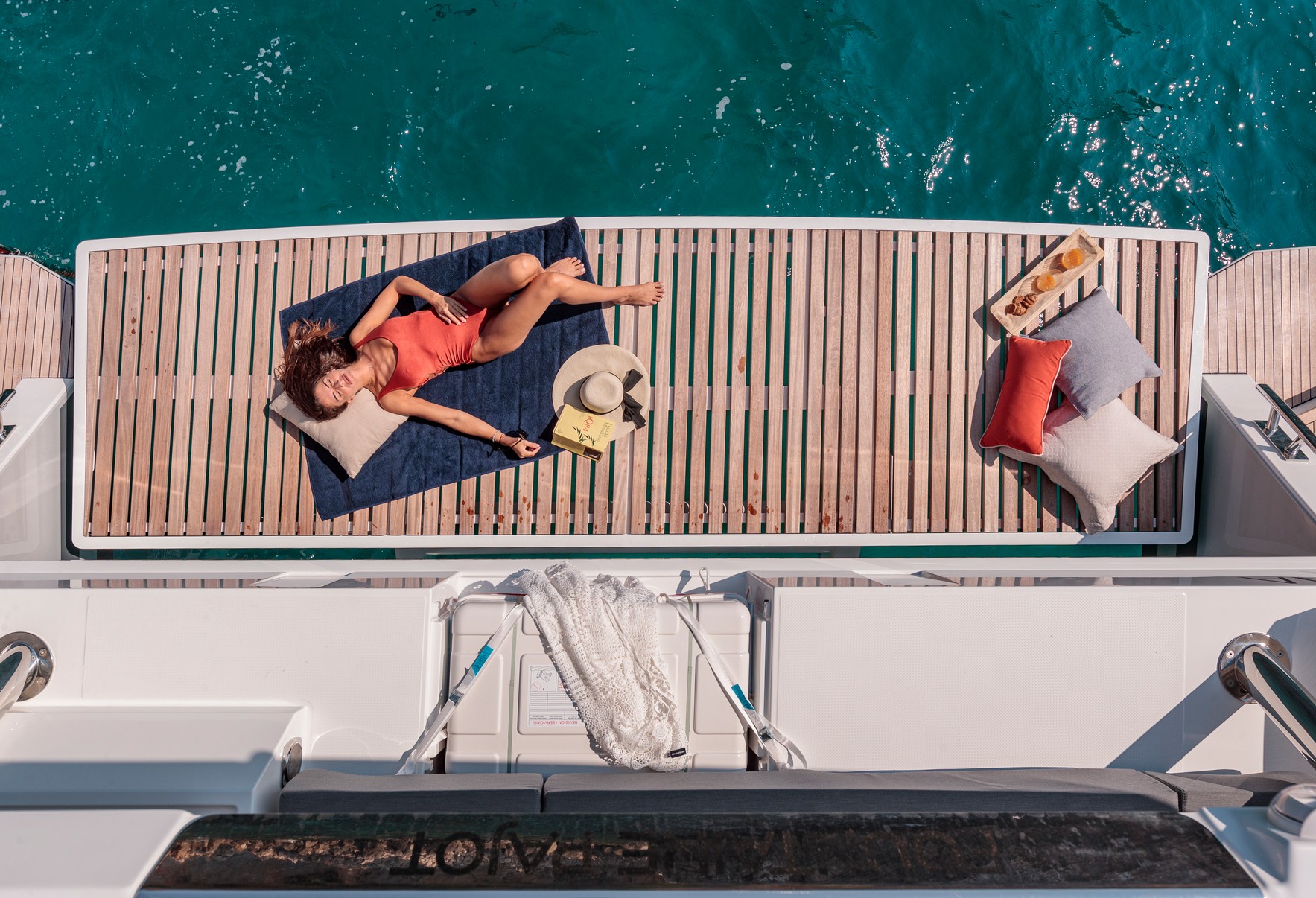
Private sailing and catamaran trips are particularly popular around sunset.
Bringing your own boat
Santorini requires more planning than many other Cycladic islands if you’re arriving on your own yacht or catamaran.
The main reason is simple: Santorini does not have a large, full-service yacht marina.
Vlychada on the south coast is the island’s main practical shelter for pleasure craft. It is officially a fishing shelter that also serves sailing and leisure boats, with facilities including water and electricity.
Space can be limited, particularly during the summer, so check availability and current vessel restrictions in advance.
Athinios is Santorini’s main ferry port rather than a visiting-yacht marina, while smaller places such as Ammoudi, Armeni and Skala are primarily working landing points for local boats, tenders and excursion traffic.
Thirasia is also a common stop on sailing routes, offering a quieter glimpse of traditional island life across the caldera, often included in day trips for swimming and a relaxed lunch away from the busier main island.
The caldera itself is also extremely deep in many areas, meaning places that look sheltered on a map are not necessarily practical anchorages.
If you’re sailing independently, use current nautical charts, weather information and local port guidance when planning your visit.

Where to stop around the coast
In settled weather, the southern and southeastern coastline can provide opportunities for daytime stops around areas such as Akrotiri, Perissa and Perivolos.
Thirasia also makes an interesting addition to a day on the water.
Conditions matter, though, and many of these locations are open roadsteads rather than protected anchorages.
For most visitors who simply want to experience Santorini from the sea, booking a locally operated sailing or catamaran trip is the easiest option. We recommend Sunset Oia for daily sailing trips.
Getting around Santorini
Santorini is relatively small, but journeys often take longer than they look on a map.
Public buses connect Fira with many major villages, beaches and the airport. Because Fira acts as the island’s transport hub, some journeys require changing buses there.
Taxis and private transfers are convenient but can become busy during peak summer periods.
Renting a car gives you considerably more freedom if you want to explore Pyrgos, Emporio, Megalochori, wineries, archaeological sites and beaches during the same trip.

How many days do you need in Santorini?
Two-three days is a good starting point.
With three days, you could spend one day exploring Oia and the caldera villages, another visiting Akrotiri, a winery and the south coast, and a third enjoying the sea or exploring some of Santorini’s smaller villages.
Four or five days gives you more breathing room.
That extra time lets you have a beach afternoon, enjoy longer lunches, explore places such as Pyrgos and Emporio and still have time for a boat trip without feeling as though every hour needs to be scheduled.
Islands to visit after Santorini
Santorini also combines well with several other Greek islands.
Ios is north of Santorini and combines excellent beaches with a lively Chora and a more energetic summer atmosphere.
Anafi, to the east, is much smaller and quieter, with good walking and a distinctly slower pace.
Folegandros offers another beautiful cliff-top Chora but feels considerably more understated than Santorini.
Milos is an excellent choice if unusual beaches, swimming and volcanic landscapes are priorities.
And if you have more time, Crete adds an entirely different experience, with historic cities, mountains, major archaeological sites and some of Greece’s best regional food.
Ferries connect Santorini with many of these destinations seasonally, making it easy to include the island as part of a longer Greek trip.
Final thoughts
Santorini deserves more than a quick stop for a sunset photo.
Its caldera is extraordinary, but some of the most memorable moments happen away from the famous viewpoints: walking through an old village in the morning, sharing plates of fava and seafood over lunch, tasting Assyrtiko among the vineyards, swimming beneath volcanic cliffs or seeing the island rise above you from the Aegean.
Give yourself enough time to experience both sides of Santorini: the places everyone comes to see and the quieter corners that make you want to stay a little longer.