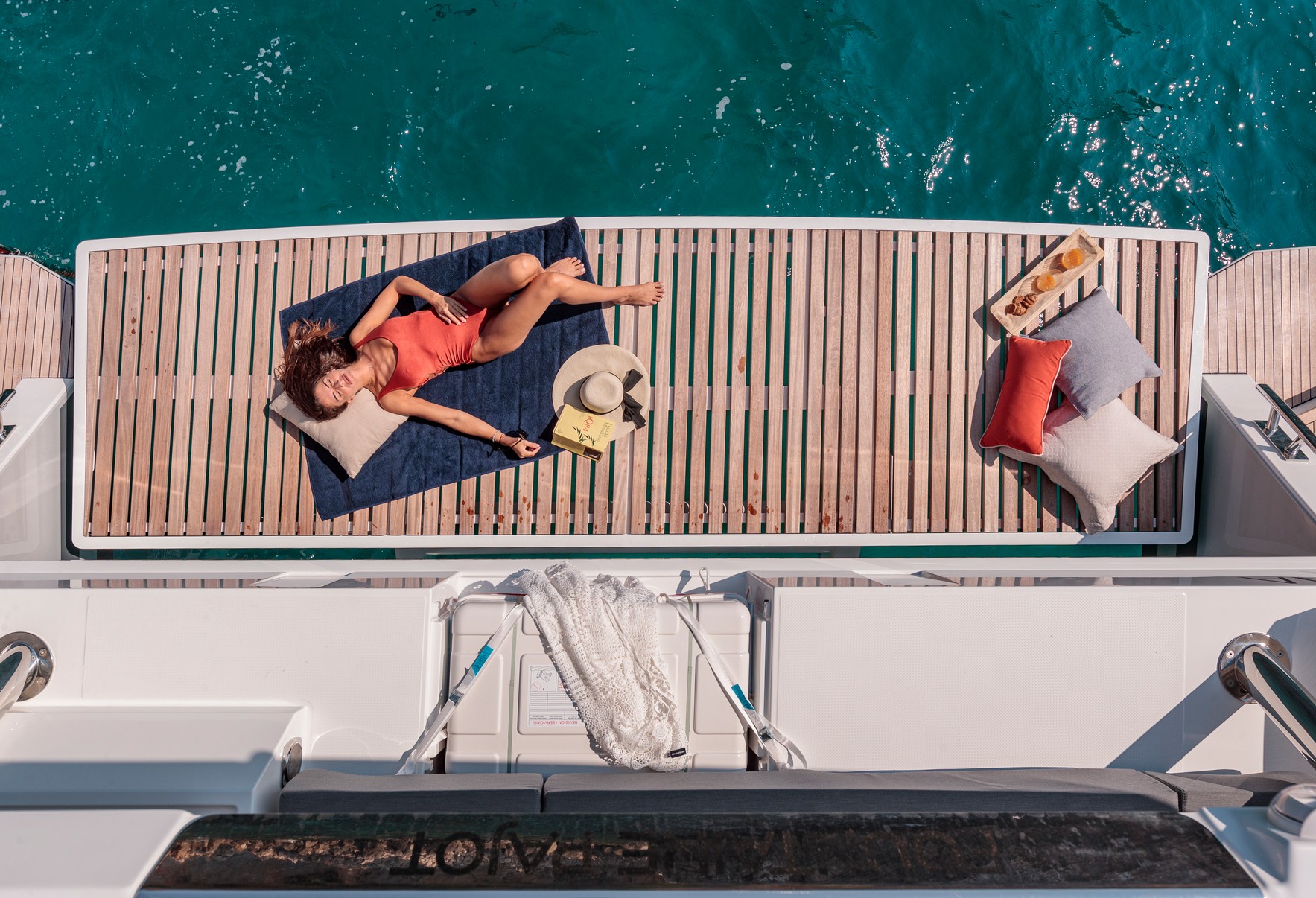
Samos combines proper yacht infrastructure with a coastline that still feels varied and green. Pine-backed northern beaches, quieter eastern coves and the long southern shore make it easy to balance sailing and swimming.
The island is also worth leaving the boat for. The Tunnel of Eupalinos is an extraordinary piece of ancient engineering, mountain villages sit among vineyards, and Muscat wine remains part of everyday island life.
The Samos Strait carries commercial traffic and summer northerlies can accelerate around the island. Let the forecast choose the coast, and use current charts for every bay.
Why visit Samos?
Samos is unusually useful for a charter itinerary. Pythagoreio Marina offers organized services, the historic town harbour puts dinner and archaeology within walking distance, and the coast has enough variety for several days.
The greener north coast centres on Kokkari and Karlovasi; the east has compact coves such as Kerveli and Posidonio; the south links Pythagoreio with Ormos Marathokampou beneath Mount Kerkis.
Allow at least two nights. One can cover Pythagoreio and Heraion, while another leaves room for a vineyard or mountain-village drive and a weather-led day on the water.

Exploring Samos by private catamaran
Samos Marina, east of Pythagoreio, advertises 258 berths, water, electricity, fuel, security and repair facilities. Reserve directly and confirm catamaran width, depth and arrival instructions. It is separate from Pythagoreio town harbour, where space is tighter and local, excursion and visiting craft compete for the quay.
Vathy is the commercial capital at the head of a deep bay. It is convenient for provisions and museums but exposed to fetch from some directions and busy around ferry operations. Karlovasi is the west’s ferry port, not a purpose-built yacht marina.
Ormos Marathokampou gives access to the southwest and Mount Kerkis. As at smaller fishing harbours, call before arrival and do not count on space or services. Kokkari is attractive ashore but its north-facing waterfront is not a reliable meltemi refuge.
For fair-weather swims, discuss Kerveli, Posidonio, Klima, Livadaki and the south-coast bays with the captain. Watch for gusts, traffic in the Samos Strait, fish farms and activity zones.

Beaches and swimming stops
Tsamadou and nearby Lemonakia have clear water, pebbles and steep green slopes near Kokkari. Both are organized in summer and best reached by road when the north coast is windy. One section of Tsamadou is traditionally naturist.
In the southeast, Psili Ammos has shallow water and a sandy shore; nearby Mykali is longer and more exposed. Livadaki, northeast of Vathy, is a narrow turquoise inlet popular with small craft, so arrive early and keep the access channel clear.
On the west, Potami is a broad pebble beach near Karlovasi. Mikro and Megalo Seitani feel wilder and have limited land access. The coast is exposed, so they are opportunities for settled weather rather than promised itinerary stops.
Southwest bays such as Limnionas and the Marathokampos coast offer a useful alternative when the north is rough. Always remain outside buoyed swimming areas and check the depth and holding independently.

What to see
The UNESCO listing joins the ancient Pythagoreion with the Heraion, about six kilometres west. In Pythagoreio, see the archaeological museum and ancient remains before walking to the Logothetis Castle area.
Book the Tunnel of Eupalinos separately and check the available route. The sixth-century BC aqueduct was driven through the mountain from two ends; access involves confined, uneven passages and is not suitable for every visitor.
In Vathy, the Archaeological Museum displays the monumental Kouros of Samos. Continue into Ano Vathy for older houses and views over the bay, or visit the Samos Wine Museum near the waterfront district.
For mountain scenery, drive through Manolates and Vourliotes. West of Karlovasi, Potami’s church and waterfalls can be combined, but reaching the falls involves a path and water; wear suitable shoes.

What to do
Taste Samos Muscat at the wine museum, a winery or the cooperative. Try both sweet Vin Doux-style wines and drier expressions, and arrange a driver for a vineyard visit.
Walk Pythagoreio early, before tour groups and midday heat, then spend the afternoon swimming. The harbour statue, museum, tunnel and castle area make a compact, worthwhile shore day.
Hike in the Nightingale Valley near Manolates or choose a signed route below Mount Kerkis with local guidance. Summer heat and fire restrictions can change what is sensible, so ask before setting out.
A calm-water day can include Samiopoula or east-coast coves, but the captain must account for strait traffic, international boundaries and the day’s wind rather than follow a fixed excursion-boat route.

Food & where to eat
Look for revithokeftedes chickpea fritters, stuffed vine leaves, slow-cooked goat, local cheeses, honey and seasonal vegetables. Finish with Muscat wine or pair a dry Samian bottle with grilled fish.
In Pythagoreio, family-run Esperides serves Samian recipes in a garden away from the busiest harbour tables. Its published season is May to October; confirm the current day and reserve.
At Psili Ammos Taverna, east of Vathy, the family describes using fish from local fishermen, seasonal produce and its own olive oil. It works naturally with a beach day. In Kokkari, Ithaki is a more contemporary option built around local produce and seafood.
For the easiest meal from the yacht, choose the Pythagoreio waterfront—but compare menus and ask what is genuinely local. Confirm fish prices by weight and do not assume every restaurant remains open outside the main season.

Research sources
These sources were used to check the guide. Port operations, opening hours and restaurant schedules can change, so confirm details close to your visit.
This guide supports itinerary planning; it is not a navigational source. The captain remains responsible for current charts, weather, safe depths, berth instructions and local restrictions.